The setting
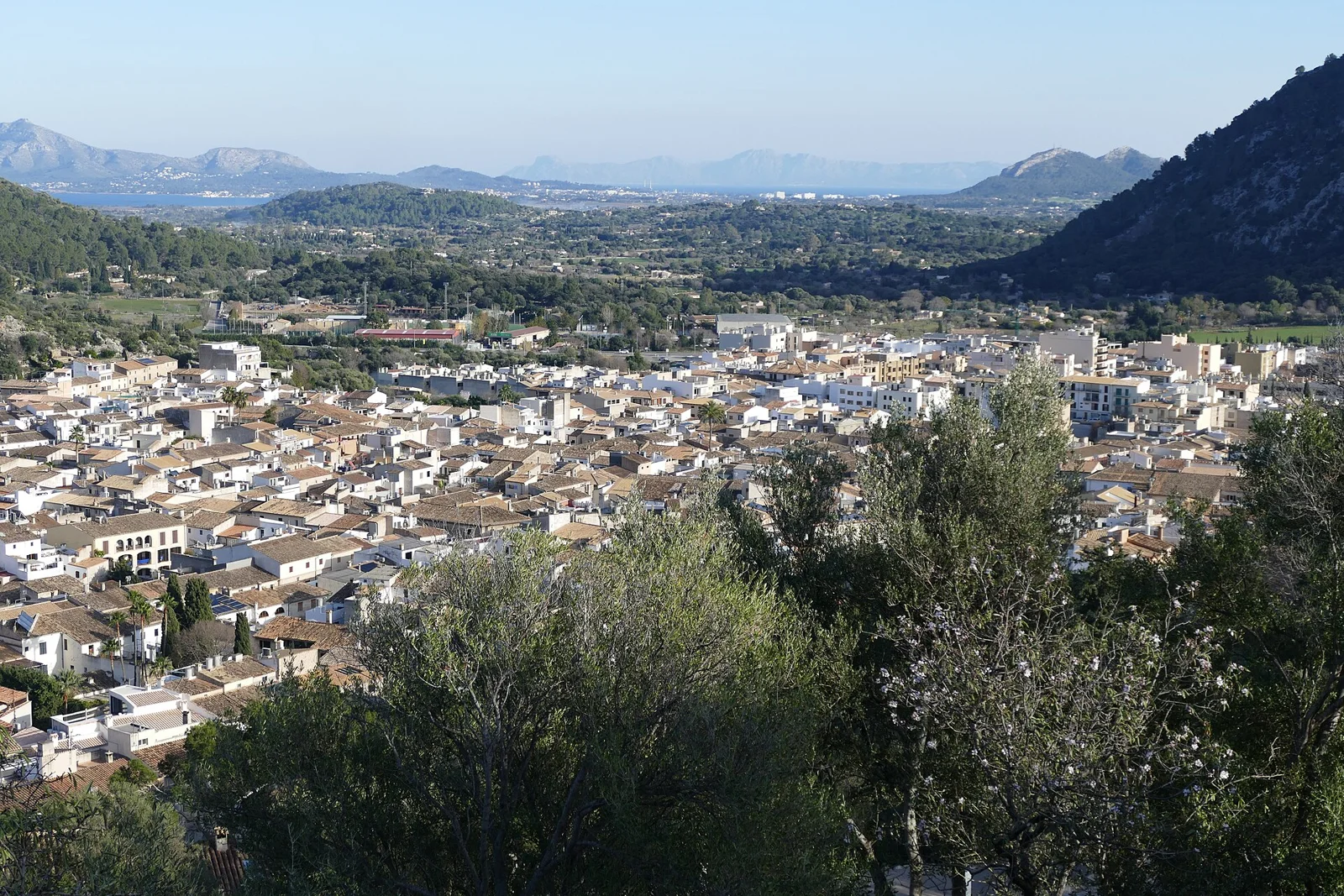
Pollença’s old town sits inland in northern Mallorca. The Calvari hill and its steps are a familiar landmark above a network of streets and squares. Port de Pollença is a separate coastal setting, so it is worth making that distinction at the beginning of a property search.
A feel for daily life
A townhouse can make village life part of the daily routine. A country home may offer a different sense of space, with more practical questions about access and upkeep. Try both settings before committing to one, particularly if you plan to stay beyond the summer.
When you view a home
For a townhouse, check light, stairs, parking and the condition of adjoining structures. For a rural property, ask your adviser to compare the physical buildings, plans and registered information, and to confirm the intended use.
Townhouse or countryside?
A townhouse brings you into the texture of village streets, with neighbours and public space close by. Explore how light enters the rooms, whether outdoor space feels private and how you will park. A courtyard or roof terrace may be appealing, but it should work for the way you actually use a home.
A country property changes the equation. The approach, land and services become central to the decision. Ask how the home is supplied, what the upkeep involves and who can maintain it while you are away. Extra land adds responsibilities as well as space.
Allow time for the wider setting
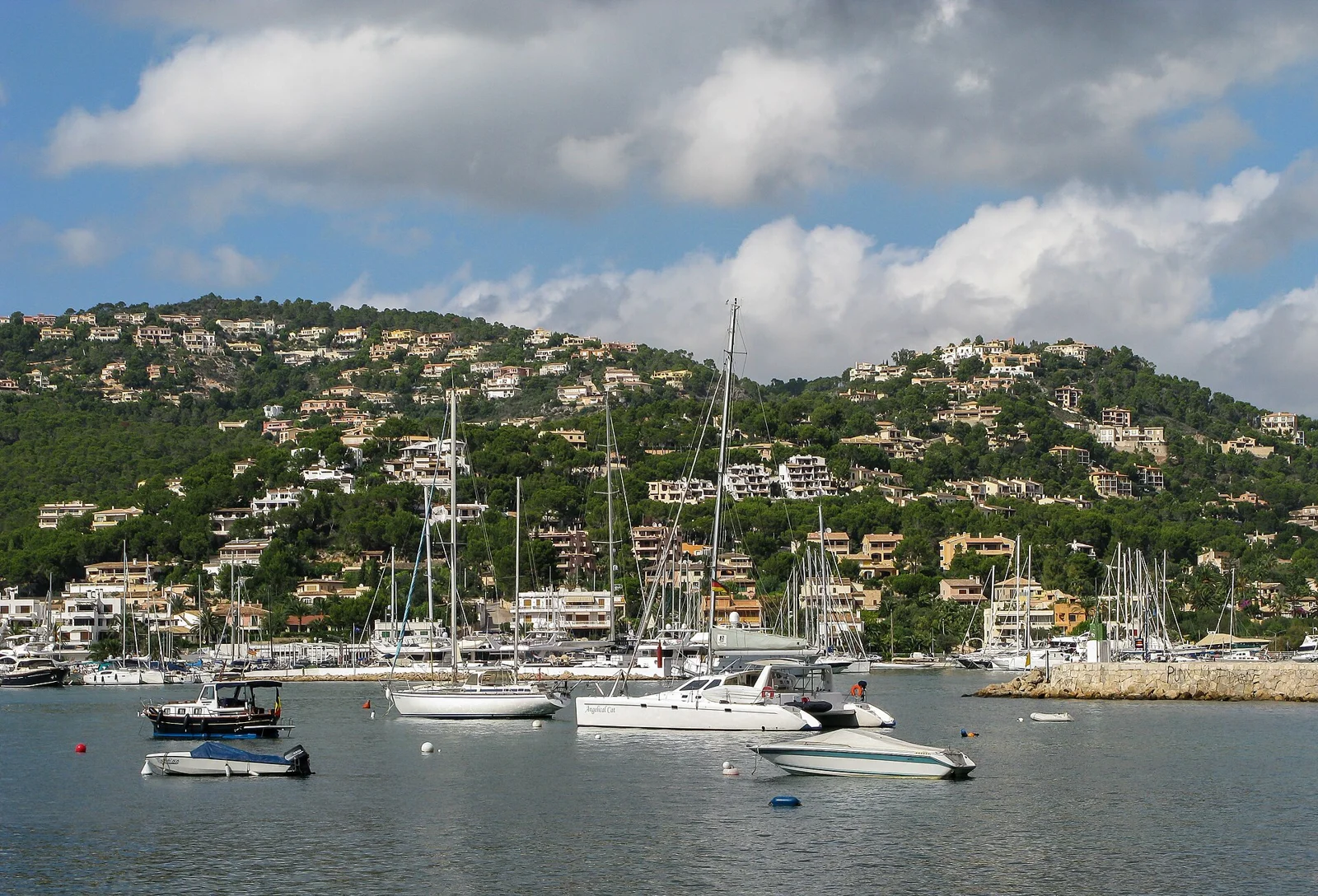
Visit Pollença town and the coastal port separately. Their names are often used together in a property search, but the day-to-day atmosphere is different. Use a viewing trip to decide whether you want the coast at the door or prefer an inland base.
For longer stays, test journeys to the services and activities you need. Check the immediate surroundings in the evening and ask about practical support outside the busiest holiday period. A short visit should be designed to answer real questions, not simply to collect photographs.
Assessing a property before committing
For an older home, have a technical adviser examine its condition and the implications of planned work. For rural land, ask the lawyer to establish access rights, boundaries and the position of all existing buildings. Compare the records with what you see on site.
If tourist letting forms part of your ownership plan, request a separate property-specific review. Popularity as a holiday destination does not establish permission. Start with a house you understand, then test the financial and operational assumptions against its actual documentation.
Sources & further reading
Location information is supported by the sources below. Property comparisons and viewing suggestions are Bellavista’s editorial guidance.